

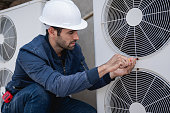
Why Skipping HVAC Service Feels Like No Big Deal
Most of the time, nothing seems wrong.
The tenant hasn’t said anything. The air is blowing. The unit is doing what it’s supposed to do.
So when that service notice comes through, it’s easy to think, I’ll get to it later.
And honestly, that makes sense. There’s no urgency in the moment.
The problem is, HVAC issues don’t show up when you’re thinking about them. They show up when the system is under pressure.
A Real Situation We Dealt With
This isn’t theory. This actually happened.
We had an owner who chose to skip servicing that season. It wasn’t a major decision. Just something that didn’t feel necessary at the time.
Then summer hit Atlanta.
I’m talking about one of those heavy, humid weekends where the temperature is pushing past 90 degrees and everything feels like it’s working overtime.
It was a Sunday afternoon when we got the call.
The HVAC system had stopped working completely.
Now we’ve got a tenant sitting in a unit with no air conditioning in the middle of peak heat. At that point, this is no longer just a maintenance issue. Under Georgia habitability standards, this becomes an emergency situation.
So waiting until Monday is not an option.
We had to move immediately.
We started calling vendors, and as you can probably guess, availability on a Sunday in peak summer is tight. The vendor who could respond quickly came with emergency rates, weekend pricing, and priority dispatch fees.
What would have been a simple $95 service visit earlier in the season turned into a repair that cost close to three times that amount just to get someone out there quickly.
And that was just to stabilize the situation.
The bigger issue is that when systems fail under that kind of pressure, there’s always the risk that something more serious is going on internally. So now you’re dealing with urgency, higher costs, and uncertainty all at once.
That entire situation could have likely been avoided with a basic preventative service.
What That Routine HVAC Service Actually Does
There’s a misconception that HVAC servicing is just someone showing up and doing a quick check.
It’s more important than that.
During a standard service, the technician is looking for early signs of stress on the system. Things that are easy to fix now but expensive later.
That includes
Changing the air filter
Testing heating and cooling performance
Checking refrigerant pressure levels
Inspecting lines and connections
It’s essentially a preventative checkup for one of the most expensive systems in your property.
Why This Matters More in Atlanta
Atlanta summers are not light.
These systems run constantly for months. If something is slightly off, the heat will expose it.
And from experience, breakdowns rarely happen at convenient times. They happen on weekends, during peak demand, or right when vendors are fully booked.
That’s when pricing goes up and options go down.
Preventative Maintenance vs Emergency Repair
Preventative maintenance gives you control.
You schedule it. You know the cost. You avoid surprises.
Emergency repair does the opposite.
It forces the timeline, increases the cost, and usually comes with added stress from both the tenant and the situation itself.
Most owners don’t think about HVAC until it stops working. By then, the decision has already been made for you.
What Owners Should Do ?
You’ve got two options.
1.You can allow us to handle the service, schedule it, and confirm once it’s complete.
2.Or you can handle it yourself. If you choose that route, just let us know and we’ll coordinate timing when the property is vacant so you can get it done.
Final Thoughts
Skipping HVAC servicing doesn’t eliminate the cost.
It just delays it and usually increases it.
We’ve seen this play out across too many Atlanta properties to treat it like a maybe.
The owners who stay ahead of maintenance spend less over time.
The ones who wait usually end up dealing with it when it’s urgent, more expensive, and far less convenient.
Frequently Asked Questions
How often should HVAC be serviced for a rental property?
At minimum, once a year. In a market like Atlanta where systems work harder due to heat and humidity, servicing before summer is strongly recommended.
Is HVAC repair considered an emergency in Georgia?
In many cases, yes. During extreme temperatures, loss of air conditioning can be considered a habitability issue, which requires prompt action to restore safe living conditions.
Who is responsible for HVAC maintenance in a rental property?
Typically, the property owner is responsible for maintaining major systems like HVAC unless otherwise outlined in the lease. Property management companies often coordinate servicing to protect the property and avoid larger issues.
Can skipping HVAC maintenance really cause system failure?
It can. Lack of maintenance allows small issues like low refrigerant, clogged filters, or pressure imbalances to build up. Over time, especially under heavy use, those issues can lead to system failure.
Is HVAC servicing worth the cost?
In most cases, yes. A routine service is significantly less expensive than emergency repairs and helps extend the life of the system while keeping tenants comfortable.